Discover Arts & Crafts Supplies on Amazon

Arts and crafts supplies banner

Arts and crafts is one of the most rewarding corners of Amazon, covering everything from a simple set of watercolour paints to professional sewing machines, jewellery-making tools, and specialist resin supplies. Whether you sketch in the evenings, knit on the train, sew garments from your own patterns, or are looking for a new creative outlet to try for the first time, this department has materials and equipment for every skill level and every budget.

This page organises more than thirty categories of arts and crafts supplies into clear sections - painting and drawing, knitting and crochet, sewing and fabric, embroidery and needlecraft, jewellery making, paper craft, resin work, and more. Each button routes you directly to the relevant section of your local Amazon store, wherever you are in the world.

Use the search bar above to find something specific, or browse by department below to see what is available. Between the product sections you will find practical articles with honest advice - not sales pitches, but genuine guidance to help you choose the right materials and get more from your making.

Disclosure: This site participates in the Amazon Associates Programme. As an Amazon Associate we earn from qualifying purchases. This helps support our free versions of the Memory Cube app - an interactive 3D photo and video display, with lightbox and online jigsaw puzzle game.

Shop Arts & Crafts on Amazon

Painting, drawing, knitting, sewing, jewellery making, embroidery, paper craft, resin, party supplies and more

Needles, hooks, yarn, machines and beginner kits

Sewing machines, overlockers, fabric, tools, rotary cutters and quilting supplies

Adhesives, storage, organisation and craft room setup

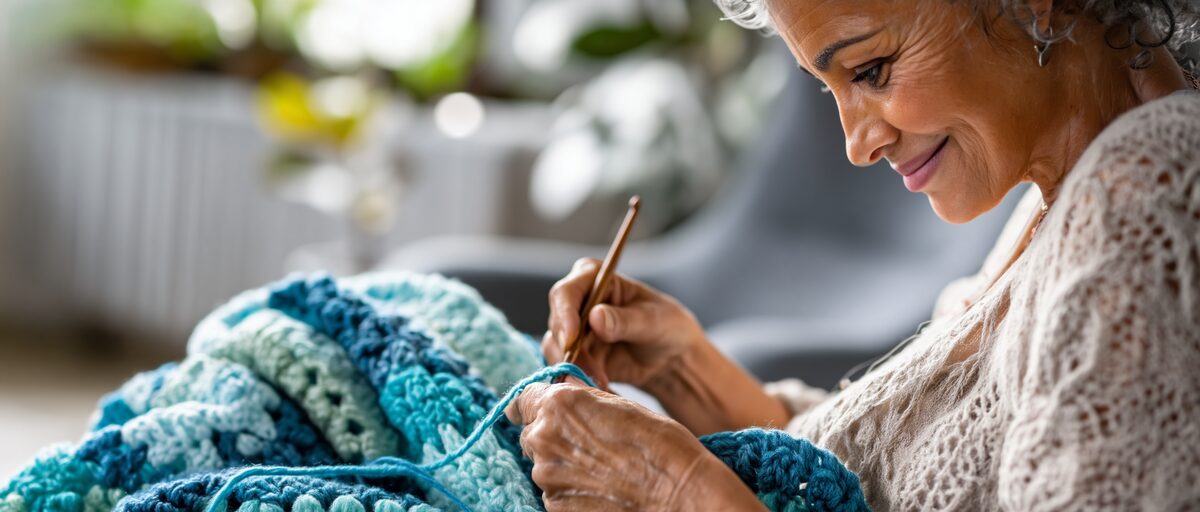
Woman creating art with crochet - picture

Why Making Things by Hand Still Matters

In a world where almost everything can be bought ready-made and delivered by tomorrow, the decision to make something yourself might seem quaint - an eccentric hobby from another era. Yet the number of people returning to handmade crafts has grown steadily for the past decade, and the reasons go far deeper than nostalgia.

There is a particular satisfaction in creating something with your own hands that no purchase can replicate. When you knit a scarf, paint a landscape, sew a dress, or shape a piece of jewellery, you are not simply acquiring an object - you are investing time, attention, and a little of yourself into its existence. The finished piece carries meaning that a factory-made equivalent, however well-designed, simply cannot match. A hand-knitted blanket given as a gift communicates something that a shop-bought one does not, regardless of which is objectively "better."

But the benefits extend well beyond the finished product. The process of making engages your brain in ways that passive consumption does not. Working with your hands requires a particular kind of concentration - focused enough to follow a pattern or maintain a technique, yet relaxed enough to enter what psychologists describe as a flow state. This combination of engagement and calm is remarkably effective at reducing stress, quieting anxiety, and providing a sense of purpose that many people struggle to find elsewhere.

The Therapeutic Power of Repetition

Crafts that involve repetitive hand movements - knitting, crochet, cross stitch, embroidery - have been studied extensively for their therapeutic effects. The rhythmic, predictable motion of needles or hooks creates a meditative state comparable to mindfulness practice. Heart rates slow. Breathing steadies. The constant chatter of an overactive mind fades into the background as attention narrows to the simple, immediate task: the next stitch, the next row, the next colour change. Occupational therapists and mental health professionals increasingly recognise these crafts as valuable tools for managing anxiety, depression, and chronic pain.

A Counterbalance to Screen Life

Perhaps most significantly in our current moment, making things by hand offers a powerful counterbalance to the screen-dominated nature of modern life. After hours spent staring at pixels - working, scrolling, consuming - there is something deeply restorative about handling physical materials. The weight of a ball of yarn, the resistance of fabric under a needle, the smell of oil paint, the texture of wet clay. These sensory experiences ground us in the physical world in a way that digital interactions, however sophisticated, simply cannot.

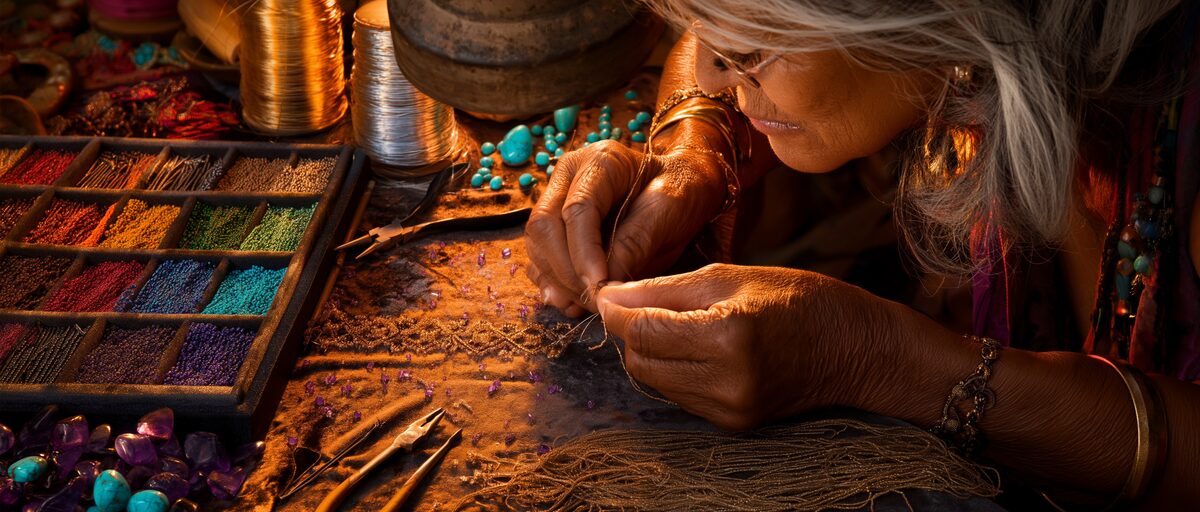
Arts and Crafts article - picture of a woman making jewellery

Choosing Your First Creative Medium

The sheer variety of arts and crafts available today can be paralysing for someone who wants to start making things but has no idea where to begin. Painting? Drawing? Knitting? Sewing? Jewellery making? Each has its own appeal, its own learning curve, and its own demands on your time, space, and wallet. Here is a frank assessment to help you find a starting point.

The single most important factor is not talent - it is enjoyment of the process. Every creative skill involves a period where your results do not match your ambitions. Your first watercolour will not look like the ones you admire on social media. Your first knitted scarf will have uneven tension and possibly a few mysterious extra stitches. This is normal and universal. The people who persist through this stage are not those with the most natural ability - they are the ones who enjoy the doing itself, independent of the result.

Low Barrier Crafts

If you want to start with minimal investment and minimal space, drawing is hard to beat. A sketchbook, a set of graphite pencils, and an eraser cost very little and fit in a bag. You can practise anywhere. The fundamental skills of observation and hand-eye coordination transfer to almost every other visual art form. Watercolour is similarly accessible - a basic pan set, a brush, and some paper are enough to begin, and the medium is forgiving enough for beginners to produce surprisingly pleasing results early on.

Crochet is an excellent entry point for textile crafts. It requires a single hook and a ball of yarn, uses one active stitch at a time (making mistakes easy to identify and correct), and produces tangible results quickly. Many people who later become passionate knitters, embroiderers, or sewists first discovered their love of working with yarn and fabric through a simple crochet project.

Where Space and Budget Allow

Sewing opens up a remarkably practical creative world. A basic sewing machine - and the entry-level models available today are genuinely capable - allows you to make and alter clothing, create home furnishings, and tackle projects that combine function with personal expression. The learning curve is moderate, and the satisfaction of wearing something you made yourself is considerable.

Resin work, jewellery making, and die-cutting each require more specific equipment and materials, making them slightly higher barriers to entry. However, starter kits in all these categories have improved enormously, bundling everything you need for your first projects at reasonable cost. They are worth considering if the final products appeal to you more than the process of painting or textile work.

The Permission to Try and Move On

Give yourself permission to try a craft, decide it is not for you, and move on without guilt. Not every medium suits every person, and discovering what you do not enjoy is as valuable as discovering what you do. The supplies for most beginner projects are modest investments, and the time spent learning is never truly wasted - manual dexterity, patience, and the ability to follow instructions are transferable skills that serve you in every craft you subsequently attempt.

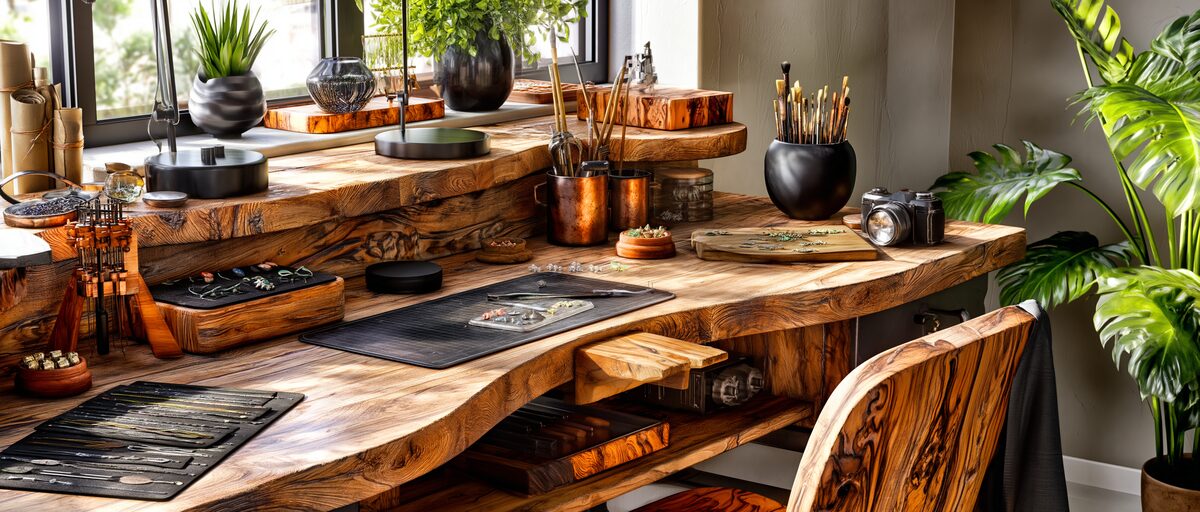
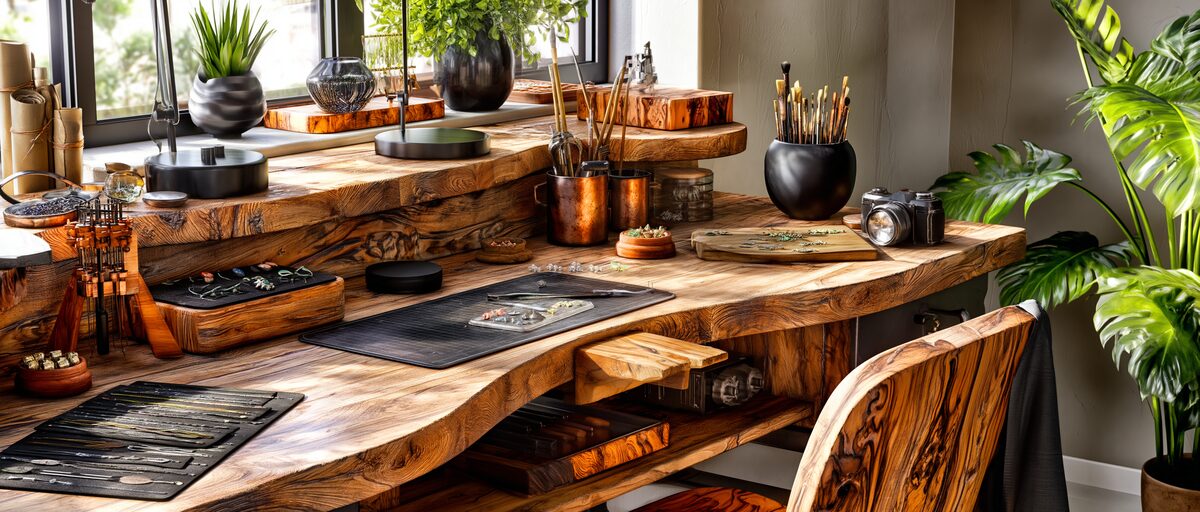
craft room - picture

Craft Room Tables and Furniture

Tables, Furniture and Stacking

Setting Up a Creative Space at Home - Even When Space Is Tight

The romantic image of the artist's studio - a sunlit room with high ceilings, work surfaces stretching into the distance, and materials arranged with aesthetic precision - has very little to do with how most people actually make things. The reality for most crafters is a kitchen table that needs clearing before dinner, a corner of a bedroom, or a shelf in a cupboard where supplies live between sessions. And yet, with a little thought about organisation, even the most modest space can become a genuinely functional creative workspace.

The first principle is containment. Every craft generates materials that need to be accessible during a session and tidied away afterwards. The single most useful investment for any crafter working in a shared space is a portable storage solution - a craft bag, a rolling cart, or a set of stackable boxes - that allows you to bring your entire project out when you are working and put it away completely when you are not. This is not merely about tidiness; it is about reducing the friction that prevents you from starting. If setting up takes twenty minutes, you will find excuses not to begin. If everything is in one place and ready to go, even fifteen spare minutes becomes usable creative time.

Lighting: The Detail Everyone Underestimates

Adequate lighting is the single biggest difference between a comfortable crafting experience and a frustrating one. Working with detailed materials - threading a needle, following a knitting pattern, mixing paint colours accurately, placing tiny beads - under poor light strains your eyes, causes headaches, and produces inferior results. A good daylight-balanced lamp is not expensive, but it transforms the experience of crafting in the evening or in rooms with limited natural light. Your eyes will thank you, and the quality of your work will improve immediately.

Surface Protection

Protecting your work surface is worth addressing before rather than after the first accident. A self-healing cutting mat serves double duty for anyone who sews, does paper craft, or works with blades of any kind - it protects the table beneath while providing a stable, non-slip surface to cut against. For painting, a simple plastic tablecloth or a piece of oilcloth keeps the worst spills from becoming permanent. Resin workers need silicone mats or heavy-duty plastic sheeting, as epoxy resin bonds permanently to most surfaces it contacts.

The Dedicated Space Luxury

If you are fortunate enough to have a room or a permanent corner you can dedicate to crafting, the single most valuable addition is a surface you can leave work on between sessions. Being able to walk away from a project and return to it exactly as you left it - rather than packing everything up and setting it out again - dramatically increases both the amount you create and the enjoyment you derive from the process. A simple desk or table in a quiet corner, with your tools arranged within reach and your current project waiting for you, becomes an invitation rather than an obligation.

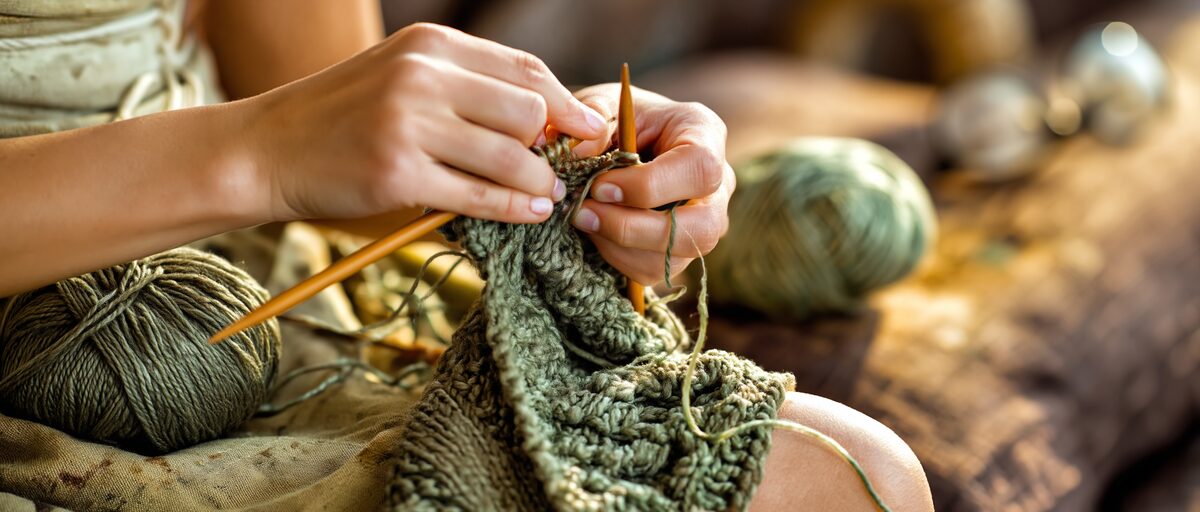
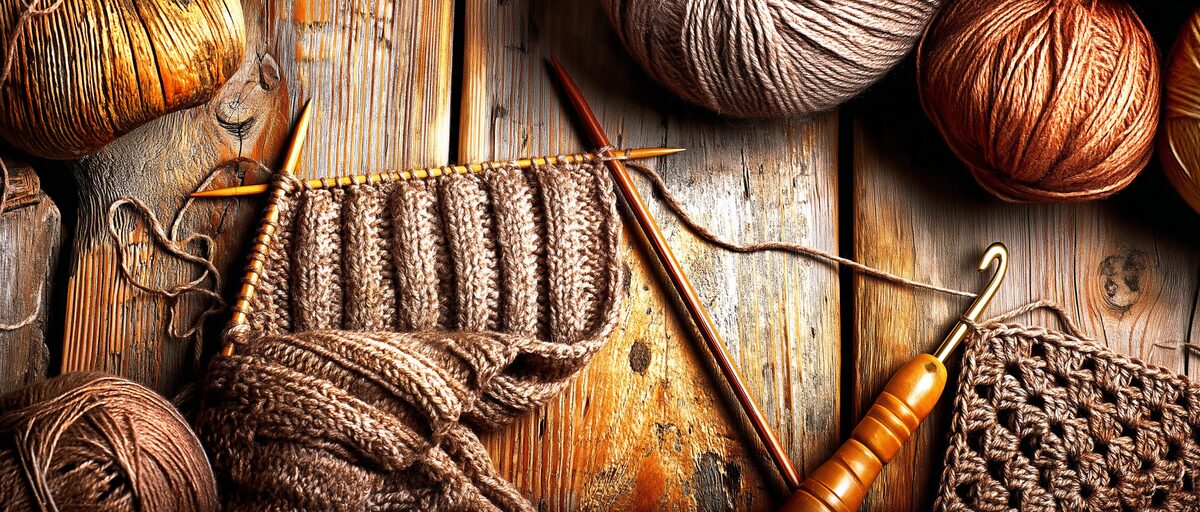
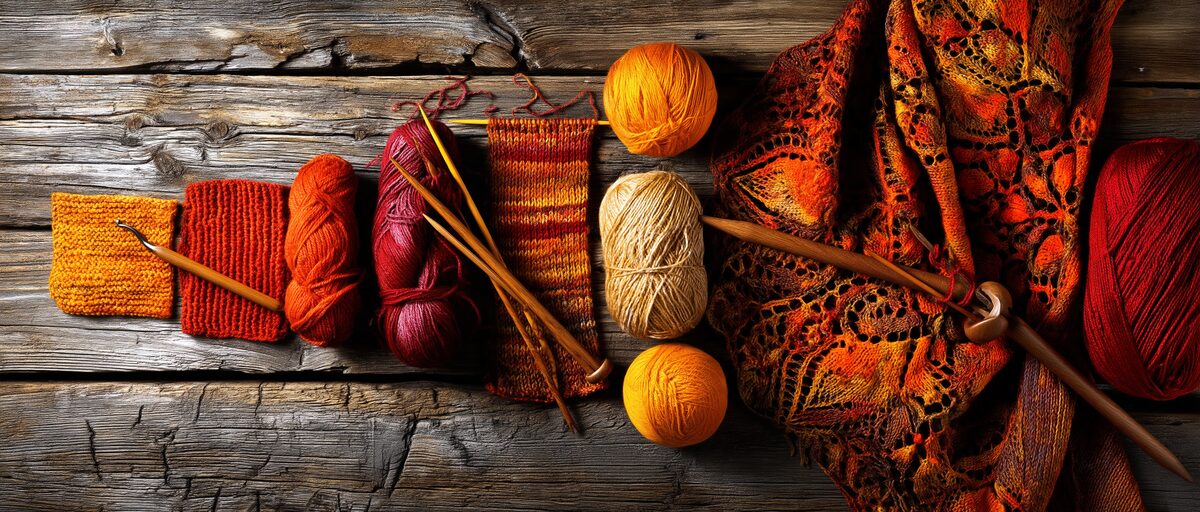
knitting - picture

Knitting & Crochet

Needles, hooks, yarn, machines and beginner kits

Knitting and Crochet: A Complete Guide to Choosing Your Craft and Getting Started

Knitting and crochet are two of the most popular yarn crafts in the world, and for good reason - they are portable, affordable to begin, endlessly versatile and produce items that people actually use every day. From scarves and blankets to toys, bags and homewear, the range of things you can make with yarn and a simple set of tools is genuinely remarkable.

Despite often being grouped together, knitting and crochet are quite different in how they work, what they produce and how they feel in your hands. This guide walks through both crafts, explains what sets them apart, and helps you decide which one to try first - or whether to learn both.

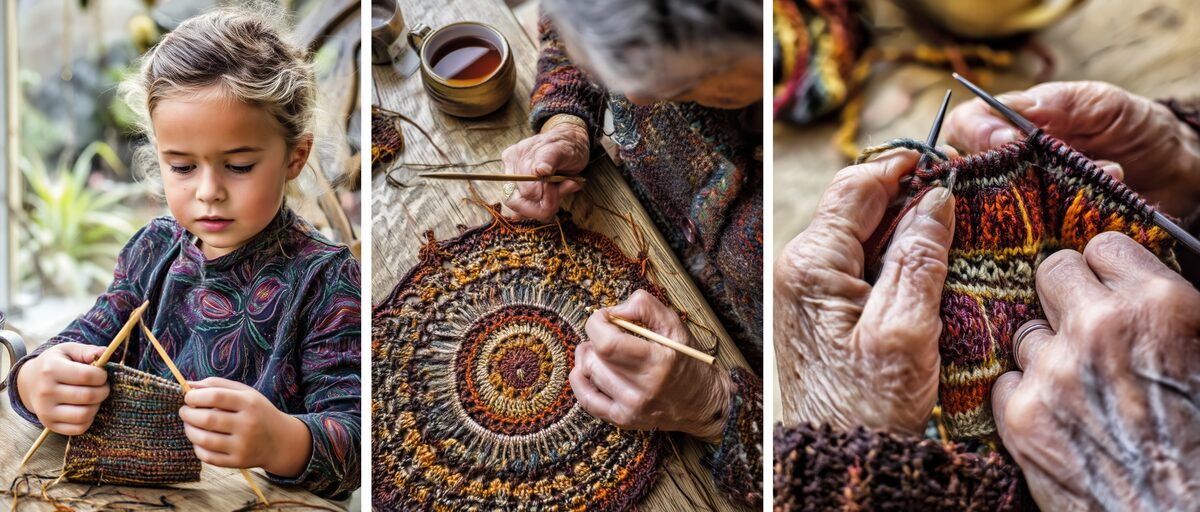
Arts and Crafts - knitting and crochet generations and family picture

How Knitting Works

Knitting uses two needles (sometimes more, or a circular needle) to create fabric from interlocking loops of yarn. At any given point during a knitting project, you have a whole row of live stitches sitting on your needle. The fabric builds row by row as you transfer loops from one needle to the other.

The structure of knitted fabric gives it a natural stretch and drape, which is why knitting has traditionally been the go-to craft for garments. Jumpers, cardigans, socks, hats and scarves all benefit from the elasticity that knitted fabric provides. The finished texture is typically smooth and uniform, with the familiar V-shaped stitch pattern most people recognise from shop-bought knitwear.

Knitting has a slightly steeper initial learning curve than crochet, mainly because managing multiple live stitches on a needle takes a little getting used to. Dropping a stitch - letting a loop slip off the needle accidentally - is the most common frustration for beginners, but it becomes rare surprisingly quickly once your hands learn the rhythm.

The two fundamental stitches in knitting are the knit stitch and the purl stitch. Almost every knitting pattern in existence is built from combinations of these two movements. Once you are comfortable with both, the craft opens up considerably.

How Crochet Works

Crochet uses a single hook rather than a pair of needles. Instead of holding a full row of live stitches, you work with just one active loop at a time, pulling new loops of yarn through it to build the fabric stitch by stitch.

This single-loop structure makes crochet fundamentally more forgiving than knitting. You cannot drop a row of stitches because there is only ever one live loop on your hook. If you make a mistake, you simply pull the yarn back to undo your work - no rescue missions required.

Crocheted fabric tends to be thicker and sturdier than knitted fabric, with less natural stretch. This makes crochet particularly well suited to structured items like bags, baskets, toys, amigurumi (small stuffed figures), blanket squares, coasters, and decorative homewares. Crochet also excels at producing three-dimensional shapes and working in the round, which is why crocheted toys and amigurumi have become enormously popular.

The basic stitches in crochet - chain, single crochet (double crochet in UK terminology), half double, double and treble - can be learned in a single sitting. The difference between UK and US crochet terminology is worth being aware of early on, as the same stitch names refer to different stitches depending on which system a pattern uses. Most patterns will state clearly which terminology they follow.

Arts and Crafts - knitting and crochet picture

Knitting vs Crochet: A Comparison

Neither craft is better than the other. They simply have different strengths, and most people who try both end up with a preference based on what they enjoy making and how the process feels in their hands.

  • Speed: Crochet is generally faster than knitting for producing the same area of fabric, particularly for bulky items like blankets and scarves. Knitting tends to be more efficient with yarn, using less material to cover the same area.
  • Yarn usage: Knitted fabric typically uses around a third less yarn than crocheted fabric of the same size. This is worth considering for larger projects where yarn costs add up.
  • Portability: Both crafts are highly portable, but crochet has a slight edge - one hook is easier to manage on the go than two needles, and there is no risk of stitches sliding off.
  • Garments: Knitting generally produces better results for fitted clothing due to the stretch and drape of knitted fabric. Crochet can certainly be used for garments, but the thicker, less elastic fabric requires different design approaches.
  • Structured items and toys: Crochet wins here convincingly. The ability to work easily in three dimensions and create firm, shaped fabric makes it the natural choice for toys, baskets, bags and sculptural pieces.
  • Ease of learning: Most people find crochet slightly easier to pick up initially, mainly because there is only one tool and one active loop to manage. Knitting becomes equally intuitive with practice, but the first few hours tend to involve more fumbling.

What You Need to Get Started

Both crafts require very little in the way of equipment. This is part of their enduring appeal - the barrier to entry is about as low as it gets for any creative hobby.

  • For knitting: A pair of knitting needles (bamboo needles are often recommended for beginners as they grip the yarn slightly, reducing dropped stitches), a ball of medium-weight yarn (often labelled as aran or worsted weight), and a pattern or tutorial. Starter kits that bundle needles, yarn and a simple pattern together are widely available and take all the guesswork out of a first purchase.
  • For crochet: A single crochet hook (a 5mm hook is a good general starting size), a ball of medium-weight yarn, and a pattern or tutorial. As with knitting, complete starter kits are readily available and represent the simplest way to begin.
  • For both crafts: A pair of small scissors and a tapestry needle (a large blunt needle used for weaving in loose ends) are useful from the outset. Beyond that, additional tools like stitch markers, row counters and project bags are helpful but entirely optional until you are ready for more complex projects.

Yarn itself comes in an enormous range of fibres, weights and price points. For learning, an affordable acrylic or acrylic-blend yarn in a light colour is the most practical choice - it is easy to work with, shows your stitches clearly, and can be unravelled and reused without any harm if you want to practise the same section multiple times.

Learning Resources

Both knitting and crochet are exceptionally well served by free online tutorials. Video tutorials in particular have transformed how people learn yarn crafts - being able to watch hand movements in real time and pause or replay as needed makes the learning process far smoother than following written instructions alone, especially for visual learners.

Printed pattern books and magazines remain popular for project inspiration and more advanced techniques. Many stitchers also find that joining a local knitting or crochet group - whether in person or online - accelerates their learning and adds a social dimension to what can otherwise be a solitary pursuit.

Arts and Crafts - knitting and crochet advanced hobby picture

A Craft That Grows With You

One of the most satisfying aspects of both knitting and crochet is the sheer range of complexity available within each craft. You can spend a pleasant evening making a simple dishcloth, or you can spend months working on an intricate lace shawl or a colour-work jumper with hundreds of shade changes. The tools stay essentially the same - it is your skill and ambition that scale.

Both crafts are also genuinely useful. Unlike some hobbies where the output is purely decorative, knitted and crocheted items are functional, giftable and often treasured far more than their shop-bought equivalents. There is something quietly powerful about wrapping a child in a blanket you made yourself, or handing someone a hat you produced from a single ball of yarn and a few evenings of quiet concentration.

Whether you choose knitting, crochet or both, you are picking up a skill that has been passed between hands for centuries and shows no sign of fading. The tools are simple, the learning curve is gentle, and the possibilities are genuinely endless.

It is worth noting that both knitting and crochet have a professional heritage that extends far beyond the domestic. The earliest European knitting guilds were male-only trade organisations, fishermen and sailors knitted their own hard-wearing garments at sea, and men dominated commercial textile production for centuries. That tradition is alive and well today, with male designers, pattern makers and fibre artists working at the highest levels of the craft industry. Whoever you are and whatever your starting point, picking up a hook or a pair of needles connects you to one of the oldest, most practical and most universally rewarding making traditions there is.

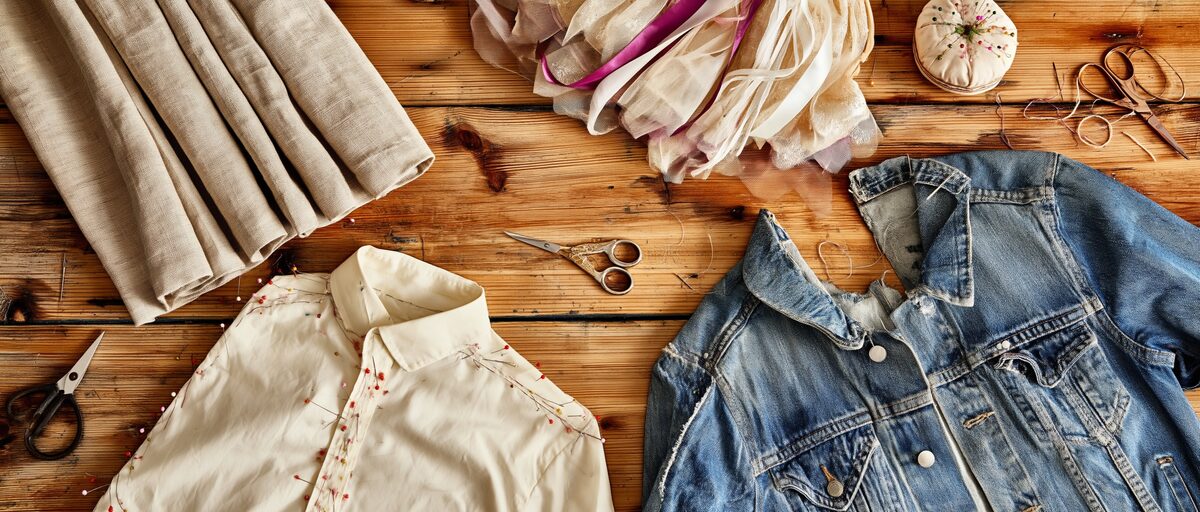
Arts and Crafts - sewing and fabrics

Sewing & Fabric

Sewing machines, overlockers, fabric, tools, rotary cutters and quilting supplies

Sewing and Fabric: A Practical Guide to Getting Started and Choosing the Right Equipment

Sewing is one of the most universally useful skills you can learn.** It sits at the crossroads of creativity and practicality - equally capable of producing a child's costume, a pair of curtains, a tailored garment or a simple repair that saves a favourite piece of clothing from the bin. Unlike many crafts, sewing delivers results you can wear, use around the home and give as genuinely appreciated gifts.

Whether you are drawn to dressmaking, home furnishings, quilting, alterations or simply want the confidence to handle basic repairs, this guide covers what you need to know before you begin - including the tools that matter, the ones that can wait, and how to avoid the most common beginner mistakes.

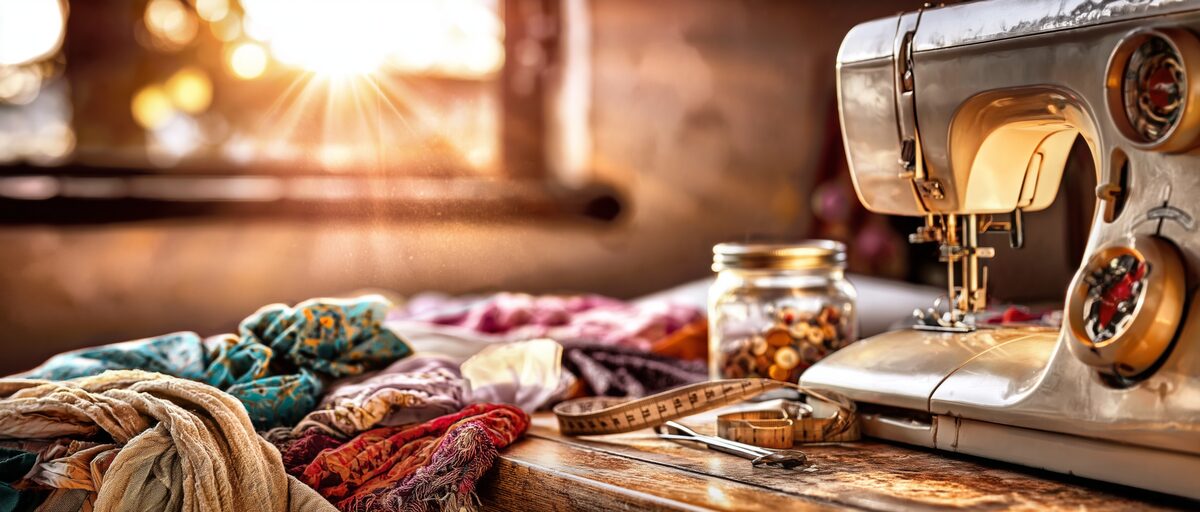
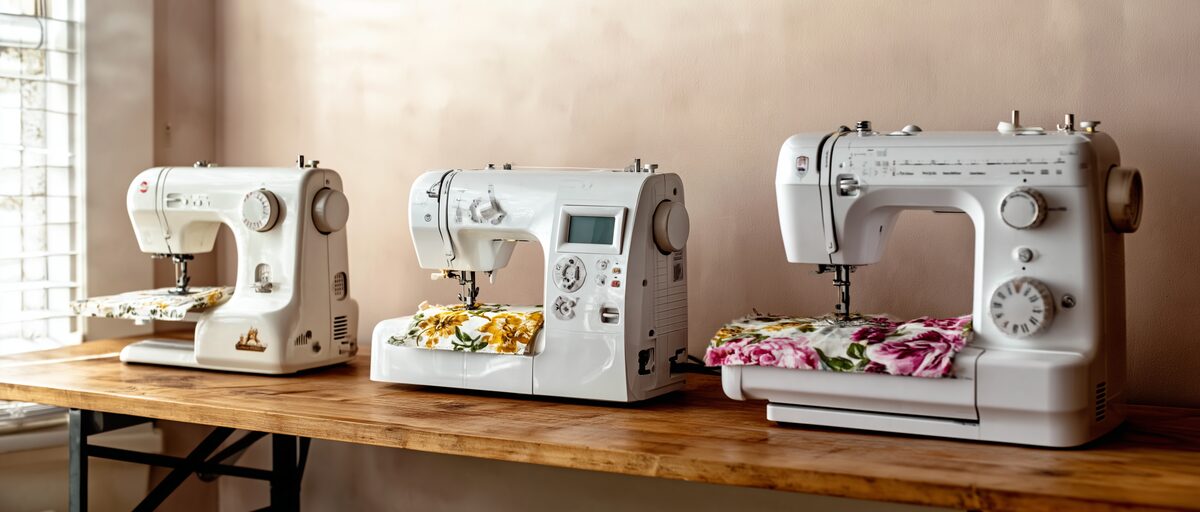
Arts and Crafts - sewing and fabrics picture with a sewing machine

Hand Sewing vs Machine Sewing

The first decision most beginners face is whether to sew by hand or invest in a sewing machine. The honest answer is that both have their place, and most people who sew regularly use a combination of the two.

  • Hand sewing requires almost no investment - a packet of needles, a spool of thread and a pair of scissors will get you started. It is quiet, portable and ideal for small repairs, buttons, hems, decorative stitching and delicate work where precision matters more than speed. Many experienced sewers prefer hand finishing even on machine-sewn garments, as it produces neater results on visible edges.
  • Machine sewing is faster, stronger and more consistent over long seams. If you plan to make garments, curtains, bags, quilts or anything involving significant lengths of straight or curved stitching, a sewing machine will quickly become essential rather than optional. Modern machines handle most fabrics reliably and are considerably easier to learn than many people expect.

You do not need to choose one or the other. Starting with simple hand-sewing projects is a perfectly valid way to learn how fabric behaves, how seams are constructed and how patterns work - all of which transfers directly when you move to a machine.

Arts and Crafts - choosing a sewing machine

Choosing a Sewing Machine

Sewing machines range from simple mechanical models to computerised machines packed with hundreds of built-in stitches, automatic buttonholers and touchscreen displays. For most beginners and intermediate sewers, a good mechanical or basic electronic machine is all that is needed - and often preferable to a feature-heavy model that adds complexity without adding capability you will actually use.

What to look for in a first machine:

A reliable straight stitch and zigzag stitch cover the vast majority of sewing tasks. Beyond that, an adjustable stitch length, a built-in buttonhole function, a free arm (for sewing sleeves and trouser legs) and a reasonable selection of presser feet will serve most people well for years. Build quality and stitch consistency matter far more than the number of decorative stitches listed on the box.

Weight is worth considering. Heavier machines tend to be more stable when sewing through thicker fabrics, while lightweight machines are easier to move and store. If space is limited, a machine that can be stored in a cupboard and brought out when needed is more practical than a large model that requires a permanent setup.

Overlockers and sergers (the same machine under different names depending on your region) trim and finish fabric edges in a single pass, producing the professional-looking enclosed seams you see inside shop-bought clothing. They are a worthwhile addition once you are making garments regularly, but they are not a replacement for a standard sewing machine - they complement one, handling edge finishing while your main machine handles construction.

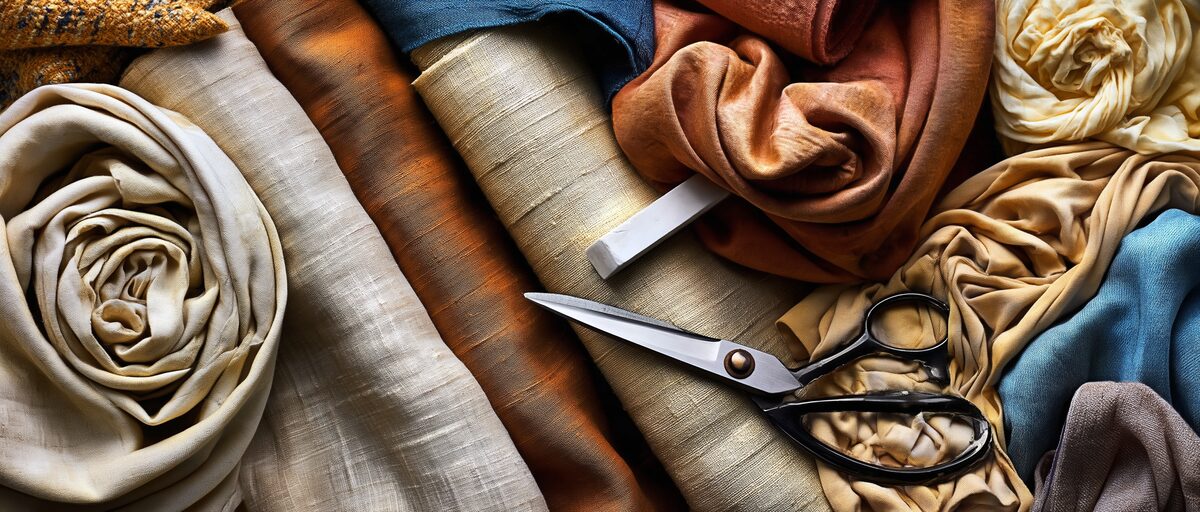
Arts and Crafts - understanding fabrics picture

Understanding Fabric

Fabric knowledge is arguably as important as sewing skill, yet it is often overlooked by beginners who focus entirely on the machine. Choosing the right fabric for a project makes an enormous difference to both the sewing process and the finished result.

  • Woven fabrics - cotton, linen, denim, wool suiting, silk - are made from threads interlaced at right angles. They generally do not stretch (except on the diagonal, known as the bias), hold their shape well and are the easiest type to cut and sew accurately. Cotton in a medium weight is the most commonly recommended fabric for learning on, and for good reason - it behaves predictably, presses well and forgives minor mistakes.
  • Knit fabrics - jersey, interlock, rib knit, sweatshirt fleece - are made from interlocking loops rather than woven threads, which gives them their characteristic stretch. They are used for comfortable fitted garments like t-shirts, leggings and casual dresses. Sewing with knits requires a slightly different approach - a ballpoint needle to avoid snagging the loops, a stretch stitch or overlocker, and a lighter touch when feeding fabric through the machine.
  • Understanding fibre content matters too. A fabric labelled as cotton, polyester, viscose or a blend of these will behave differently in terms of drape, breathability, washing, pressing and how it feels against the skin. Reading the fibre content on the bolt before purchasing - and checking the care requirements - saves a great deal of frustration later.

Essential Tools Beyond the Machine

Sewing involves a supporting cast of small tools that make an outsized difference to accuracy and enjoyment. A few are genuinely essential from the outset.

  • Sharp fabric scissors are non-negotiable. Dull scissors distort fabric edges, making accurate sewing much harder. A dedicated pair that is never used on paper or card will hold its edge far longer.
  • Pins and clips hold fabric pieces together before and during stitching. Traditional straight pins work well on most woven fabrics, while fabric clips are often easier for beginners and better suited to knits and thicker materials.
  • A tape measure and a clear ruler are used constantly - for taking body measurements, checking seam allowances and marking fabric. A self-healing cutting mat and a rotary cutter are popular additions for anyone cutting frequently, offering speed and accuracy that scissors alone cannot match.
  • An iron is, without exaggeration, one of the most important tools in sewing. Pressing seams as you go - not just at the end - transforms the quality of the finished piece. Many sewing problems that appear to be stitching errors are actually pressing errors. If you take one piece of advice from this guide, let it be this: press every seam before you cross it with another.

Patterns and Learning to Follow Them

Sewing patterns are the blueprints for sewn projects. They come in printed paper form, as digital downloads you print at home or send to a print shop, and increasingly as projector-compatible files that can be beamed directly onto fabric.

Commercial patterns from established companies include detailed instructions, fabric recommendations and cutting layouts. They use a standardised set of markings - notches, grain lines, darts, fold lines - that may look intimidating at first glance but become second nature with a small amount of practice.

Starting with a pattern labelled as easy or beginner and reading the entire instruction sheet before cutting a single piece of fabric is the simplest way to avoid costly mistakes. Many experienced sewers still follow this habit.

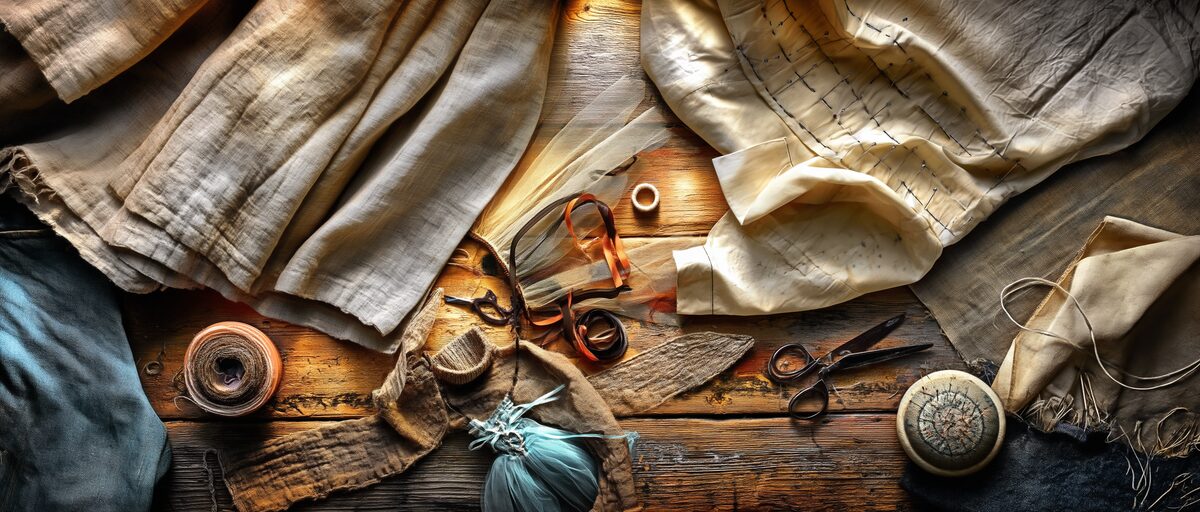
Arts and Crafts - Common mistakes in sewing and use of fabrics - picture

Common Mistakes and How to Avoid Them

A few pitfalls catch almost every beginner and are easily sidestepped once you know they exist.

  • Skipping the pre-wash. Most natural-fibre fabrics shrink the first time they are washed. Pre-washing your fabric before cutting ensures your finished item stays the size you intended.
  • Ignoring the grain line. Fabric behaves differently depending on which direction it is cut. Patterns include grain line markings for a reason - following them ensures the finished piece hangs and drapes correctly.
  • Rushing the cutting stage. Accurate cutting is the foundation of accurate sewing. Taking time to pin or weight your pattern pieces properly, cut cleanly on the line and transfer all markings to the fabric saves far more time than it costs.
  • Neglecting tension and stitch settings. Every fabric and thread combination performs best at a specific tension. Sewing a test sample on a scrap of your project fabric before starting the real thing takes thirty seconds and regularly prevents hours of unpicking.

A Skill for Life

Sewing is one of those rare skills that becomes more useful the more you learn. What begins as a simple hem or a cushion cover can gradually develop into full garment construction, tailoring, upholstery or textile art - all using essentially the same core techniques and tools.

It is also a skill with a long professional and industrial heritage that spans every culture and every period of human history. From sailmakers and military tailors to theatrical costumiers and couture ateliers, sewing has always been skilled, respected work carried out by people of every background. That professional tradition continues today across fashion, interiors, film, theatre and independent craft businesses worldwide.

Whatever draws you to sewing - practicality, creativity, sustainability or simply the satisfaction of making something with your own hands - the craft rewards every hour you put into it. Start simple, press every seam, and let your confidence build project by project.

Embroidery - picture

Embroidery & Needlecraft

Embroidery, cross stitch, needlepoint and tapestry

Embroidery and Needlecraft

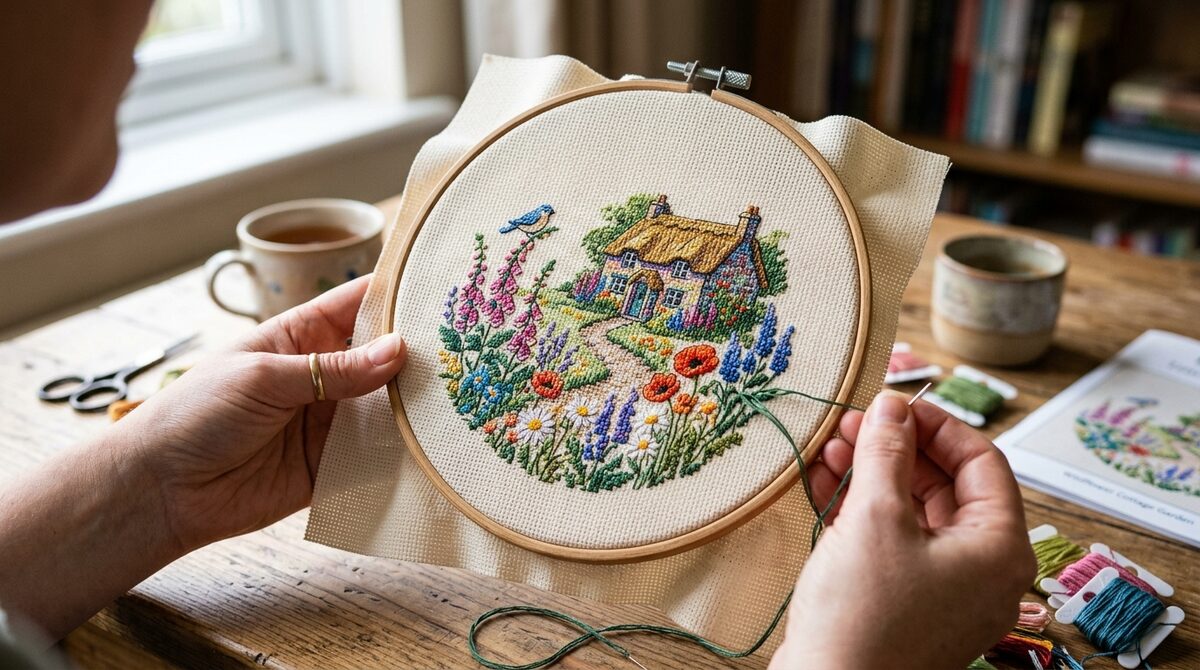
Embroidery, cross stitch, needlepoint and tapestry are among the most accessible creative pursuits you can pick up. No electricity, no expensive equipment, no dedicated workspace - just fabric, thread, a needle and a comfortable chair. Whether you prefer the freeform creativity of embroidery, the satisfying grid-based precision of cross stitch, or the gentle simplicity of a pre-printed tapestry kit, there is a branch of needlecraft to suit every temperament and skill level.

The craft is also one of the few hobbies that genuinely rewards you from the very first session. Progress is visible almost immediately, the repetitive rhythm of stitching is widely recognised for its calming effect on the mind, and the finished pieces - from small framed designs to cushion covers and wall hangings - carry a handmade satisfaction that is difficult to replicate any other way.

Embroidery and Needlecraft: A Beginner-Friendly Guide to Getting Started

Whether you are picking up a needle for the first time or returning to a craft you once loved, embroidery and needlecraft offer one of the most accessible and rewarding creative outlets available.** With nothing more than fabric, thread and a needle, you can produce everything from small decorative pieces to large wall hangings - working at your own pace, in your own space, with very little setup required. This guide introduces the four most popular branches of needlecraft, explains what makes each one different, and helps you decide which direction suits you best.

What Falls Under Needlecraft?

Needlecraft is a broad term covering any craft that uses a needle and thread or yarn to create decorative or functional textile work. The four disciplines most people encounter first are embroidery, cross stitch, needlepoint and tapestry. While they share common roots and overlapping techniques, each has its own character, tools and learning curve. All four are portable, quiet and surprisingly affordable to begin. None of them require electricity, expensive equipment or a dedicated workspace. A comfortable chair and good lighting are genuinely all you need.

Embroidery

Embroidery is the art of decorating fabric using a needle and coloured thread. It is the most freeform of the four disciplines, offering dozens of individual stitches that can be combined to create textures, patterns, lettering and realistic images.

Modern embroidery has seen a significant revival in recent years, with contemporary artists pushing the craft well beyond traditional floral designs into portraiture, abstract art and even political commentary. That said, traditional techniques remain just as popular and just as satisfying to learn.

What makes embroidery distinct is the freedom it offers. You can work on almost any fabric, follow a printed pattern or design something entirely your own. There is no grid to follow and no strict rules about which stitches to use where. This makes it wonderfully creative but can feel slightly daunting for complete beginners who prefer clear structure.

You will need: an embroidery hoop, embroidery needles, stranded embroidery thread (often called floss), and a piece of fabric. Starter kits that include all of these along with a printed pattern are widely available and represent the easiest way to try the craft without committing to a large outlay.

Cross Stitch

Cross stitch is a counted-thread technique where small X-shaped stitches are worked on an even-weave fabric to build up a design, one square at a time. If embroidery is freehand drawing, cross stitch is colouring by numbers - and that is meant as a genuine compliment.

The structured, grid-based nature of cross stitch makes it one of the most beginner-friendly needlecrafts available. Each stitch is identical, placement is guided by a chart, and progress is visible almost immediately. It is repetitive in the best possible sense - rhythmic, calming and deeply satisfying as a picture gradually emerges from what started as a blank piece of fabric.

What makes cross stitch distinct is its precision and predictability. You always know exactly what the finished piece will look like before you begin. Patterns range from tiny bookmark designs that take an afternoon to enormous full-coverage pieces that can occupy months or even years of evening stitching.

You will need: Aida fabric (a stiff, gridded fabric designed specifically for cross stitch), a tapestry needle (blunt-tipped, since you are stitching through holes rather than piercing fabric), embroidery thread, a hoop or frame, and a pattern chart. As with embroidery, complete starter kits are readily available.

Needlepoint

Needlepoint - sometimes called canvas work - involves stitching yarn through a stiff, open-mesh canvas to create a densely covered textile. Unlike cross stitch, which leaves much of the background fabric visible, needlepoint typically covers the entire canvas surface with stitching.

The result is a thick, hard-wearing fabric that has traditionally been used for cushion covers, chair seats, footstools, kneelers and similar furnishings. Contemporary needlepoint has expanded to include wall art, bags, belts, spectacle cases and decorative pieces of all kinds.

What makes needlepoint distinct is its durability and texture. Because every thread of the canvas is covered, the finished piece has a satisfying weight and substance to it. Needlepoint also offers a wider variety of decorative stitches than cross stitch, allowing for interesting textural effects within a single piece.

You will need: needlepoint canvas (available in different mesh sizes, with larger mesh being easier for beginners), tapestry yarn or Persian yarn, a blunt tapestry needle, and either a chart or a hand-painted canvas with the design already printed on it. Hand-painted canvases remove the need to count stitches entirely, which some stitchers prefer.

Tapestry

The word tapestry causes more confusion than any other term in needlecraft, because it is used to mean different things in different contexts. Historically, tapestry refers to a woven textile - produced on a loom rather than with a needle. The Bayeux Tapestry, despite its name, is actually an embroidered piece, which gives you some idea of how long this naming confusion has existed.

In modern craft usage, tapestry most often refers to a style of needlepoint that uses simple tent stitch (a single diagonal stitch) to fill a printed or painted canvas. Pre-printed tapestry kits, where the design and colours are already marked on the canvas, remain one of the most popular entry points into needlecraft worldwide.

What makes tapestry kits distinct is their simplicity. There is almost no decision-making involved - the canvas tells you which colour goes where, and only one stitch type is used throughout. This makes them ideal for absolute beginners, for children learning to stitch, or for anyone who wants a relaxing project they can pick up and put down without needing to concentrate heavily.

You will need: most tapestry kits include everything required - a printed canvas, pre-sorted yarn and a needle. This all-in-one approach is one of the reasons they remain so popular.

Which One Should You Try First?

There is no wrong answer here, but a few honest pointers may help.

  • If you want maximum creative freedom and enjoy drawing or painting, freeform embroidery will likely appeal to you most. It has the steepest initial learning curve of the four, but the creative ceiling is essentially unlimited.
  • If you like order, patterns and visible progress, cross stitch is hard to beat. The grid structure makes it easy to pick up and the range of available patterns - from simple to extraordinarily complex - means you will never run out of projects.
  • If you want to make something functional like a cushion cover or a bag, needlepoint produces the most hard-wearing finished textile of the group.
  • If you have never held a needle before and want the gentlest possible introduction, a pre-printed tapestry kit will get you stitching with confidence within minutes.

Many stitchers end up practising more than one discipline. The skills transfer well between them, and the tools overlap significantly. Starting with one does not lock you out of the others - quite the opposite.

A Note on the Health Benefits

Needlecraft is increasingly recognised for its positive effects on mental wellbeing. The repetitive, focused nature of stitching has been compared to meditation in its ability to reduce stress and quiet an overactive mind. It also exercises fine motor skills in the hands and fingers, and the sense of accomplishment from completing a handmade piece carries a satisfaction that is difficult to replicate any other way.

It is worth mentioning that good lighting and an appropriate seating position make a genuine difference to both comfort and enjoyment. Stitching in poor light or hunched over a frame for extended periods can strain your eyes and neck. A daylight lamp and a comfortable setup are small investments that pay for themselves quickly in terms of the hours of enjoyment they support.

Getting Started Without Overthinking It

The single best piece of advice for anyone considering needlecraft is simply to begin. A starter kit in whichever discipline appeals to you most, a quiet hour, and a willingness to make imperfect stitches - that is genuinely all it takes. Every experienced stitcher started with a first, slightly wonky stitch. The craft rewards patience, and the learning curve for all four disciplines is gentler than most people expect.
Embroidery - picture

Jewellery Making & Beading

Tools, beads, findings, wire and kits for making your own jewellery

Jewellery Making and Beading: A Practical Guide to Getting Started

Making your own jewellery is one of the most immediately rewarding crafts you can try.** Unlike projects that take weeks to complete, jewellery making often delivers a wearable finished piece in a single session - and that fast turnaround is a large part of its appeal. Whether you are drawn to delicate beadwork, bold statement pieces, wire-wrapped designs or simple strung necklaces, the craft offers a creative range that suits every taste and skill level.

This guide covers the main branches of jewellery making, the tools and materials you need to get started, and the practical knowledge that will help you produce pieces you are genuinely proud to wear or give away.

The Main Branches of Jewellery Making

Jewellery making is a broad craft that encompasses several quite different disciplines. Most beginners start with one and gradually explore others as their confidence and tool collection grow.

  • Beading and stringing is the most accessible starting point. It involves threading beads onto wire, cord or elastic to create necklaces, bracelets and earrings. The techniques are straightforward, the materials are affordable, and the results can be surprisingly sophisticated even at beginner level. Bead weaving - using a needle and thread to stitch beads together into intricate patterns - adds a further dimension for those who enjoy detailed, repetitive handwork.
  • Wire wrapping uses wire (typically in copper, silver-plated copper or sterling silver) to create settings, frames and decorative elements without the need for soldering or heat. Stones, beads and crystals are secured by wrapping wire around them in structured patterns. Wire wrapping produces distinctive, organic-looking pieces and requires very few tools to begin - essentially pliers and wire.
  • Metal stamping involves using letter and design stamps to impress text and patterns into soft metal blanks - usually aluminium, brass or copper. Personalised pendants, bangles and keyrings are among the most popular stamped pieces. The technique is simple to learn and produces professional-looking results quickly, making it a popular choice for people who want to create personalised gifts.
  • Metalwork and silversmithing sits at the more advanced end of the spectrum, involving sawing, filing, soldering and shaping sheet metal and wire to create pieces from scratch. This is where jewellery making becomes a fully-fledged trade skill, and it requires a larger investment in tools, workspace and training. Most hobbyist jewellery makers do not need to go this far, but it is worth knowing the path exists if the craft captures your imagination.
  • Polymer clay jewellery uses a mouldable, oven-hardened clay to create beads, pendants and earrings in virtually any shape, colour or pattern. It requires no specialist equipment beyond a domestic oven, a smooth work surface and a few simple shaping tools. The current popularity of polymer clay earrings - particularly bold, graphic designs - has brought a new generation of makers into jewellery crafting.

Essential Tools for Getting Started

One of the genuine advantages of jewellery making is how little you need to begin. Three basic pliers will carry you through the vast majority of beading, stringing and wire work projects.

  • Round-nose pliers have smooth, tapered conical jaws used for creating loops and curves in wire. They are essential for making earring hooks, jump ring connections and decorative wire elements.
  • Chain-nose pliers (sometimes called snipe-nose or flat-nose pliers) have flat, tapered jaws that grip, bend and tuck wire precisely. They are your most-used general tool and the one you will reach for most often.
  • Side cutters (also called flush cutters) cut wire cleanly. A flush cut - where one side of the cut end is flat rather than pinched - produces a neater, more comfortable finish on any piece that sits against the skin. Good quality cutters that produce a clean flush cut are worth prioritising over the cheapest option available.
  • Beyond the basics, a bead mat (a soft surface that stops beads rolling away while you work), a ruler, and a selection of findings - the collective term for clasps, jump rings, earring hooks, crimp beads and other functional metal components - will round out a practical starter setup.

Starter tool kits that bundle pliers, cutters and a basic findings assortment together are widely available and represent a sensible first purchase. The quality of tools in these kits varies considerably, so reading other buyers' experiences before purchasing is worthwhile. Poor pliers with rough jaws or loose joints make precise work frustrating, while a decent set will last for years.

Understanding Materials

  • Beads come in an almost overwhelming variety of materials, sizes and finishes. Glass beads (including Czech glass and Japanese seed beads), wooden beads, stone beads, crystal beads, ceramic beads and metal beads are all commonly used. For bead weaving and detailed pattern work, Japanese seed beads from established manufacturers are widely regarded as the most consistent in size and shape, which matters greatly when uniformity affects the finished design.
  • Wire is measured by gauge - the higher the gauge number, the thinner the wire. For most beading and wire-wrapping work, gauges between 20 and 26 are the most commonly used range. Thicker wire (lower gauge numbers like 16 or 18) is used for structural elements like bangles, ring shanks and heavy-duty frames. Copper wire is the most affordable material to practise with, and many makers use it permanently in finished pieces, often with a patina or coating applied for colour and durability.
  • Stringing materials include beading wire (a flexible multi-strand steel cable coated in nylon), silk thread (traditional for knotted pearl and gemstone necklaces), elastic cord (for stretch bracelets), leather cord and waxed cotton. Each has different strengths - beading wire is the most versatile and durable for general use, while silk is preferred where a soft drape and traditional appearance matter.
  • Findings quality affects the finished piece more than most beginners realise. Clasps that feel flimsy, earring hooks that irritate the skin, or jump rings that open too easily all undermine work that may otherwise be well made. Findings are available in base metal, plated metal, gold-filled, sterling silver and surgical steel. If pieces are intended for sensitive skin, surgical steel or sterling silver findings are worth the modest additional cost.

Designing Your Own Pieces vs Following Patterns

Jewellery making accommodates both approaches comfortably. Bead weaving patterns - particularly for intricate stitches like peyote, brick stitch and right-angle weave - are available in enormous variety, ranging from free tutorials to professionally designed charts. Following a pattern is an excellent way to learn new techniques while producing something beautiful in the process.

Equally, many jewellery makers prefer to design as they go - selecting beads and components that appeal to them and assembling pieces intuitively. Strung necklaces, simple wire-wrapped pendants and basic earrings lend themselves well to this freeform approach, and the relatively low material cost means experimentation carries very little risk.

Keeping a small notebook or photographing work in progress as you develop designs is a habit worth building early. Recreating a piece you made three months ago is surprisingly difficult if you cannot remember the exact bead sequence or wire gauge you used.

Common Mistakes and How to Avoid Them

  • Skimping on findings. A beautiful beaded necklace with a cheap clasp that breaks or tarnishes within weeks is a frustrating experience. Spending a little more on quality closures and connectors protects the time and effort invested in the rest of the piece.
  • Cutting wire too short. Wire is inexpensive relative to the time it takes to start a component over. Cutting a generous working length and trimming the excess is always better than running short halfway through a wrap.
  • Ignoring ergonomics. Jewellery making involves repetitive fine motor movements - gripping, twisting, cutting and bending - often for extended periods. Taking regular breaks, stretching your hands and using tools that fit your grip comfortably prevents strain that can build up quietly over time.
  • Over-complicating early projects. Simple, well-executed pieces look far better than ambitious designs where the technique has not yet caught up with the vision. Building skills on straightforward projects and gradually adding complexity is the approach that produces the most satisfying results in the long run.

A Craft With Genuine Range

Jewellery making is one of those crafts that can be exactly what you need it to be - a relaxing evening activity producing simple beaded bracelets, a precise technical discipline demanding real skill and patience, or a small creative business selling original handmade pieces. The tools are affordable, the materials are endlessly varied, and the satisfaction of wearing or gifting something you made entirely by hand is difficult to overstate. Start with a single pair of pliers, a handful of beads and a willingness to experiment - the craft will meet you wherever you are.

Craft Techniques & Kits

Resin, die-cutting, stamping and craft kits for adults

Craft Techniques and Kits: A Practical Guide to Resin, Die-Cutting, Stamping and Adult Craft Kits

Not every craft fits neatly into a traditional category, and some of the most enjoyable making experiences come from techniques that sit outside the familiar worlds of sewing, knitting and paper crafting. Resin casting, die-cutting, stamping and the growing range of curated craft kits designed specifically for adults all offer creative satisfaction without requiring years of practice or a workshop full of equipment.

This section covers four popular craft techniques, explains what each involves, and helps you decide which is worth exploring - whether you are looking for a new creative outlet, a way to enhance existing projects, or simply a well-designed kit you can open and enjoy in a single evening.

Resin Crafting

Resin has become one of the fastest-growing areas in craft making, and it is easy to see why. The ability to encase objects in a clear, glass-like finish - or to create solid, colourful pieces from scratch - opens up possibilities that no other material quite matches.

  • How it works. Craft resin is a two-part system: a resin and a hardener that are measured, mixed together and poured into moulds or onto surfaces. Once combined, the mixture cures over a period of hours into a hard, transparent or tinted solid. During the open working time before it sets, you can embed dried flowers, photographs, glitter, pigments, small objects or virtually anything else that takes your imagination.
  • What you can make. Jewellery is among the most popular applications - pendants, earrings, bangles and rings with embedded botanicals or colour effects. Beyond wearables, resin is widely used for coasters, trays, bookmarks, keyrings, paperweights, small decorative pieces, and the increasingly popular resin art boards where pigmented resin is manipulated into abstract patterns across a flat surface.
  • What to know before you start. Resin requires more care and preparation than most tabletop crafts. You need a well-ventilated workspace, protective gloves, and ideally a silicone mat or covered surface, as uncured resin is sticky and difficult to remove from unprotected areas. Accurate measuring and thorough mixing are essential - getting the ratio wrong or mixing insufficiently results in a sticky, partially cured finish that cannot be rescued.
  • Temperature matters too. Most craft resins cure best in a warm, stable environment. Cold or damp conditions can cause cloudiness, soft spots or extended curing times. Reading the manufacturer's instructions fully before your first pour - rather than skimming them - saves considerable frustration.
  • Moulds are the other key component. Silicone moulds in an enormous variety of shapes and sizes are readily available, and their flexibility makes removing cured pieces straightforward. As your confidence grows, creating custom moulds using silicone moulding compound opens up the craft further.

Despite the preparation involved, resin crafting produces results that genuinely look professional from very early on. The material does most of the visual heavy lifting - your job is to prepare carefully, pour accurately and resist the temptation to touch it while it cures.

Die-Cutting

Die-cutting is the process of using a machine to cut precise shapes from paper, card, fabric, vinyl, felt and other flat materials. If you have ever admired an intricately cut greetings card, a perfectly uniform set of fabric appliquรฉ shapes, or a detailed paper sculpture, there is a good chance a die-cutting machine was involved.

  • How it works. There are two main types of die-cutting machine. Manual machines use a hand-cranked roller to press thin metal dies (essentially shaped cookie cutters for paper) through your chosen material. Electronic cutting machines use a small blade controlled by digital design software, allowing you to cut virtually any shape you can draw or download - including text, detailed illustrations and complex repeating patterns.
  • Manual die-cutting is simpler, quieter and more affordable to start with. You buy individual dies in the shapes you want and run them through the machine. The results are consistent and clean every time. The limitation is that you can only cut shapes for which you own a die, though the range available from major manufacturers is vast.
  • Electronic cutting machines offer far greater flexibility. You design or import a shape on screen and the machine cuts it precisely. This makes them enormously versatile - from custom stickers and labels to fabric pieces, iron-on vinyl transfers, window decals and packaging. The trade-off is a higher initial cost and a learning curve around the design software, though most people become comfortable with the basics within a few sessions.

Who uses die-cutting? Card makers and scrapbookers are the traditional core audience, but the craft has expanded well beyond paper. Quilters use die-cutting machines to cut precise fabric shapes. Small business owners use them to produce custom packaging, stickers and branded materials. Teachers use them for classroom displays. The versatility of a good cutting machine makes it one of the most multi-purpose tools in any craft room.

Stamping

Stamping is one of the simplest and most satisfying ways to add decorative detail to paper, card, fabric and other surfaces. A stamp, an ink pad and something to press onto - that is the entire process, and the results are immediate.

  • Rubber and clear stamps are the two most common types. Rubber stamps are mounted on wooden or acrylic blocks and produce a crisp, consistent impression. Clear stamps are made from transparent polymer, allowing you to see exactly where the image will land before you press - a significant advantage for precise placement.
  • Ink pads vary more than most beginners expect. Dye-based inks dry quickly and work well for general use. Pigment-based inks are thicker, slower drying and better suited to embossing (a technique where a special powder is melted over wet ink to create a raised, glossy finish). Archival inks are waterproof once dry, which matters if you plan to add watercolour or other wet media over a stamped image. Choosing the right ink for the job is one of those small details that makes a noticeable difference to the finished result.
  • What stamping is used for. Greetings cards, gift tags, scrapbook pages, journal decoration, fabric printing, pottery marking and mixed-media art all make regular use of stamping. The technique also combines naturally with die-cutting - stamp an image, colour it, then die-cut it into a shaped element for a card or layout.
  • Metal stamping is a related but distinct technique, covered in more detail in our jewellery making guide. It uses hardened steel stamps to impress letters and designs into soft metal blanks, producing personalised pendants, tags and keyrings.

Craft Kits for Adults

The adult craft kit market has grown enormously in recent years, and for good reason. A well-designed kit removes every barrier to getting started - no researching tools, no sourcing materials, no wondering whether you have bought the right thing. You open the box and begin.

  • What makes a good craft kit is thoughtful curation. The best kits include everything you need (not almost everything), clear instructions that assume no prior knowledge, and materials of sufficient quality that the finished piece feels worth the effort. Kits that cut corners on material quality - thin thread, flimsy tools, vague instructions - create a frustrating experience that puts people off the craft entirely, which is the opposite of what they should do.
  • The range available now covers almost every craft discipline imaginable. Candle making, soap making, macramรฉ, punch needle, terrazzo, pottery painting, mosaic, weaving, latch hook, leather working, glass painting, calligraphy - the list continues to expand as makers and manufacturers recognise the demand from adults who want a creative experience without a long-term commitment to a single craft.
  • Kits as a way to explore. One of the most valuable uses of a craft kit is as a low-risk trial. If you are curious about resin casting but unsure whether you want to invest in a full set of supplies, a single resin kit lets you try the process, understand what is involved and decide whether it appeals - all for a fraction of the cost of buying everything separately. Many people discover lasting hobbies this way, while others enjoy the variety of trying a different craft each month without accumulating drawers full of specialist equipment.
  • Kits as gifts. Craft kits are among the most reliably well-received gifts for adults, particularly for people who have expressed an interest in making but have not yet started. The self-contained nature of a kit means the recipient does not need to do any further shopping before they can begin - which is exactly the kind of thoughtful, practical detail that turns a good gift into a genuinely appreciated one.

Finding Your Way In

The crafts covered here share a common thread - they are all accessible without a large upfront investment, they produce tangible results quickly, and they reward curiosity as much as technical skill. Whether you are drawn to the glossy, encapsulating magic of resin, the precision of a die-cutting machine, the simplicity of a good stamp and ink pad, or the curated convenience of a kit that arrives ready to open, the most important step is the first one. Pick the technique that interests you most, start with a modest setup, and let the craft teach you what it can do.

Craft Supplies & Organisation

Adhesives, storage, organisation and craft room setup

Craft Supplies and Organisation: How to Store, Sort and Manage Your Materials

Every crafter reaches the same tipping point eventually. What started as a single project bag or a small box of supplies has quietly expanded into a collection of threads, fabrics, beads, papers, tools, half-finished projects and materials bought for ideas that have not yet made it off the planning stage. When you spend more time searching for things than making with them, organisation stops being optional and becomes essential.

This section covers the practical side of craft storage - what works, what wastes space, and how to build a system that keeps your materials accessible, protected and ready to use without requiring a dedicated room or a significant budget.

Why Organisation Matters More Than Most People Think

Craft supplies are not like general household clutter. Many materials are fragile, light-sensitive, moisture-sensitive or easily tangled. Thread fades in direct sunlight. Paper warps in damp conditions. Beads spill and mix irreversibly if a container tips. Fabric creases along fold lines if stored the same way for too long. Paint dries out. Adhesives deteriorate.

Beyond material preservation, there is a straightforward productivity argument. Knowing exactly what you have and where it is means you buy less duplicate stock, waste less time searching, and are far more likely to actually start a project when the mood strikes - rather than abandoning the idea because setting up feels like too much effort.

Good organisation does not mean everything has to look perfect. It means you can find what you need, your materials stay in usable condition, and putting things away after a session is quick enough that you actually do it.

Storage Principles That Work Across Every Craft

Regardless of whether you work with yarn, fabric, paper, beads, resin or a mixture of everything, a few core principles apply universally.

  • Store by category, not by project. It is tempting to keep everything for a specific project together in one bag or box, and for active projects this makes sense. But for general supplies, storing all your thread together, all your adhesives together, all your cutting tools together and so on makes items far easier to locate and prevents the slow accumulation of forgotten duplicates buried inside project bags.
  • See what you have. Clear containers, open shelving and transparent pouches all outperform solid boxes and closed cupboards for craft storage. If you cannot see a supply exists, it effectively does not - you will either buy it again or forget you own it. Where clear containers are not practical, consistent labelling achieves the same result.
  • Contain small items ruthlessly. Beads, buttons, sequins, brads, eyelets, jump rings and similar small components have a remarkable ability to migrate, mix and disappear. Compartmentalised storage boxes with secure lids - the kind originally designed for fishing tackle or hardware fixings - are among the most practical and affordable solutions available. Resealable bags sorted into larger containers work well too, particularly for items you access less frequently.
  • Protect what degrades. Fabric and paper should be stored away from direct sunlight and in a dry environment. Thread and yarn benefit from being kept in closed containers that prevent dust settling into fibres. Adhesives, paints and liquid media last significantly longer when stored upright with lids fully sealed in a consistent temperature. None of this requires specialist equipment - a cupboard, a drawer or an opaque storage box is usually sufficient.
  • Keep tools separate from materials. Scissors, rotary cutters, needles, pliers, craft knives and other sharp or heavy tools stored loose among fabric, paper or beads will eventually damage something. A dedicated tool roll, pouch or drawer keeps them accessible and keeps everything else safe.

Storage Solutions by Craft Type

While the core principles remain consistent, different crafts benefit from slightly different approaches.

  • Yarn and thread. Clear stackable bins or cube shelving inserts work well for yarn, allowing you to sort by weight, fibre or colour while keeping everything visible. Embroidery thread is best stored on bobbins or cards inside a compartmentalised box, sorted by colour number - the time invested in winding and organising thread pays for itself repeatedly when you need to locate a specific shade mid-project. Thread racks that hang on a wall are a popular alternative and make colour selection fast and intuitive.
  • Fabric. Folding fabric around comic book boards or small pieces of card and filing them vertically - like books on a shelf - makes individual pieces easy to identify and pull out without disturbing the rest. This approach works particularly well for quilting cottons and fat quarters. Larger pieces can be folded and stored on shelves or in clear bins, ideally with a swatch or label visible so you can identify the contents without unfolding.
  • Paper and card. Flat storage is essential. Vertical paper racks, magazine holders and flat shelf dividers all keep paper and card organised by colour, weight or type without the curling and creasing that results from being stored loosely in piles. Scrapbook paper and card stock in standard sizes fit neatly into purpose-designed cube storage inserts.
  • Beads and small components. Compartmentalised boxes with individually lidded sections are the gold standard for bead storage, preventing the catastrophic mixing that occurs when a single shared-lid box tips over. For larger collections, stacking drawer units with shallow drawers keep everything visible and sorted. Labelling containers with bead type, size and colour saves considerable time as a collection grows.
  • Tools. A tool roll or wrap for portable tools, a magnetic strip for metal items, and a pencil cup or desk organiser for frequently used items represent a simple, effective system. Wall-mounted pegboard is a popular choice for dedicated craft spaces, keeping tools visible and within arm's reach without occupying desk surface.

Making the Most of Limited Space

Not everyone has a spare room to dedicate to crafting, and many people work at a kitchen table, a desk or a corner of a living room. Organisation becomes even more important when everything needs to be set up and cleared away between sessions.

  • Portable storage is the key concept here. A rolling cart with tiered shelves can hold an entire craft setup and be wheeled out of sight when not in use. Project bags with structured interiors keep active work contained and ready to pick up. A single large tote or storage box per craft discipline - one for sewing, one for beading, one for paper crafting - allows you to pull out only what you need and return it as a complete unit.
  • Vertical spac is consistently underused. Wall-mounted shelving, hanging organisers, over-door storage and pegboard systems all move supplies off work surfaces and into visible, accessible positions without taking up floor space. Even a few small shelves above a desk can transform a cramped workspace.
  • A clear work surface is not a luxury - it is a practical requirement. Crafting on a cluttered surface leads to lost items, damaged materials and a general reluctance to begin. Building a habit of clearing and resetting your workspace at the end of each session, rather than leaving it for next time, is one of the simplest changes that makes the biggest difference to how often you actually sit down and make.

Buying Supplies Wisely

Organisation is not just about storage - it starts at the point of purchase. A few simple habits prevent the slow creep of excess that most crafters recognise.

  • Buy for a specific project or a known gap in your supplies, not on impulse. Sale bins and bulk packs are appealing, but materials bought without a clear plan tend to sit unused for far longer than anyone intends at the point of purchase.
  • Know what you already own. A simple inventory - even a handwritten list kept inside a cupboard door - prevents duplicate purchases and helps you shop with purpose rather than guesswork. For large collections of thread, yarn or beads, a basic spreadsheet or checklist sorted by colour number or type is worth the initial effort.
  • Quality over quantity. A smaller collection of materials you genuinely enjoy working with will produce better results and take up less space than a large volume of bargain supplies that never quite feel right. This applies particularly to tools - a single pair of sharp, comfortable scissors will outperform a drawer full of mediocre ones for years.

The Ongoing Practice

Craft organisation is not a one-time project - it is a habit that runs alongside your making. The most effective systems are the ones you actually maintain, which means they need to be quick, intuitive and forgiving. If putting something away takes more than a few seconds, the system is too complicated and will eventually be abandoned.

Start with the area that frustrates you most, solve that, and build from there. A well-organised craft space does not just look better - it removes friction between you and the thing you sat down to do, which is to make something.

When Better Materials Genuinely Make a Difference - and When They Do Not

Arts and crafts supplies span an enormous price range, and navigating that range wisely requires understanding where quality genuinely affects your experience and results, and where you are paying for a brand name, professional-grade precision you cannot yet use, or packaging designed to look premium on a shelf.

Paint is a category where quality differences are real and noticeable. Student-grade acrylic and watercolour paints contain less pigment and more filler than artist-grade equivalents. The practical effect is that colours are less vivid, less transparent (for watercolour), and require more layers to achieve the same intensity. For someone just learning brush control and colour mixing, student grade is perfectly sensible - you will waste less money on experiments and mistakes. But if you find yourself frustrated that your paintings look dull or chalky compared to tutorials you are following, the paint itself may be the limiting factor, not your technique.

Where Budget Options Shine

Certain categories offer excellent value at the lower end. Basic sewing notions - pins, needles, thread, measuring tape - vary little in performance across price points. Drawing paper and sketchbooks for practice work need not be expensive; you should be filling pages freely without worrying about wasting good paper. Craft adhesives and tapes from budget ranges often perform identically to premium brands for most applications. Practice yarn for learning knitting or crochet tension should be cheap and cheerful - you will likely unravel and re-knit your early work multiple times, and there is no point doing that with expensive merino.

Where Quality Pays for Itself

Cutting tools are one area where spending more almost always pays dividends. Sharp scissors that maintain their edge, rotary cutters with quality blades, and precision craft knives make every cutting task easier, more accurate, and safer. Dull blades require more pressure, which reduces control and increases the likelihood of mistakes and injuries. Good cutting tools, properly maintained, last for years and make the act of cutting - which is a large part of many crafts - genuinely pleasant rather than effortful.

Sewing machines represent the most significant single purchase many crafters make. The very cheapest machines can be frustrating - skipping stitches, struggling with anything heavier than cotton, and producing tension problems that make beginners believe they are doing something wrong when the machine is at fault. A modest step up in quality typically resolves these issues entirely and provides a machine that will serve you reliably for years. You do not need dozens of decorative stitches or a built-in embroidery unit - what you need is reliable straight and zigzag stitching, consistent tension, and the ability to handle a reasonable range of fabric weights without complaint.

Craft as a Social Activity: Why Making Together Matters

There is an enduring image of the lone artist working in solitary concentration, and while that solitude has genuine value, it represents only one dimension of creative making. Throughout human history, crafts have been profoundly social activities - skills passed between generations, work shared among groups, and communities built around the common experience of making things.

Knitting circles, quilting bees, painting groups, and sewing clubs exist in almost every town, and their persistence is not accidental. The combination of purposeful hand work and unhurried conversation creates a social atmosphere quite different from meeting in a pub, a restaurant, or a living room. There is something about having your hands occupied that makes conversation flow more naturally - the activity removes the pressure of face-to-face social performance, allows comfortable silences without awkwardness, and gives everyone a shared focus that bridges differences in age, background, and personality.

For people who find purely social gatherings draining or anxiety-inducing, craft groups offer structure and purpose alongside companionship. You are there to make something; the social connection happens alongside that primary activity rather than being the sole point. This distinction matters enormously for those who want community but struggle with unstructured socialising.

Passing Skills Between Generations

Perhaps the most valuable aspect of crafting together is the transmission of skills. Many traditional crafts - hand embroidery, wood carving, lace making, traditional knitting techniques - are best learned in person, watching experienced hands and receiving immediate feedback. Online tutorials have democratised access to instruction, but they cannot fully replace the experience of sitting beside someone who can see your specific mistake and show you, in real time, how to correct it.

Teaching a craft to someone else - a child, a friend, a fellow member of a crafting group - also deepens your own understanding. Explaining techniques forces you to articulate knowledge that you may have absorbed intuitively, and watching a beginner encounter familiar problems reminds you how far your own skills have developed. The act of teaching and learning together creates bonds that last far beyond any individual project.

The Gift Economy of Handmade

Crafting also sustains a quiet gift economy that operates outside the commercial mainstream. A hand-knitted baby blanket, a sewn tote bag, an embroidered handkerchief, a painted card - these objects carry emotional weight disproportionate to their material value. They say: I spent hours of my life making this for you. In a world of instant delivery and disposable consumption, that message has only grown more meaningful.

Ready to create?

You've Found the Inspiration.
Now Discover the Materials.

Thousands of arts and crafts supplies across more than thirty categories - painting, drawing, knitting, sewing, jewellery making, resin, quilting and more - all ready to browse on Amazon.

Free delivery options available Deals change daily - today's won't last Trusted by millions of shoppers worldwide