How to Choose the Right Guidebook for Your Trip
Not all travel guides are written for the same reader. The major series differ significantly in tone, depth, and the kind of traveller they serve. Choosing the right one means matching the guide to the way you actually travel.
Lonely Planet guides are the best-known and most widely available. They cover more destinations than any other series and excel at practical, budget-conscious travel information: transport connections, hostel and guesthouse recommendations, and detailed walking directions. Their strength is logistics — getting from A to B, finding somewhere to sleep, and knowing what to see when you arrive. They are the natural choice for independent travellers planning their own routes.
Rough Guides and DK Eyewitness
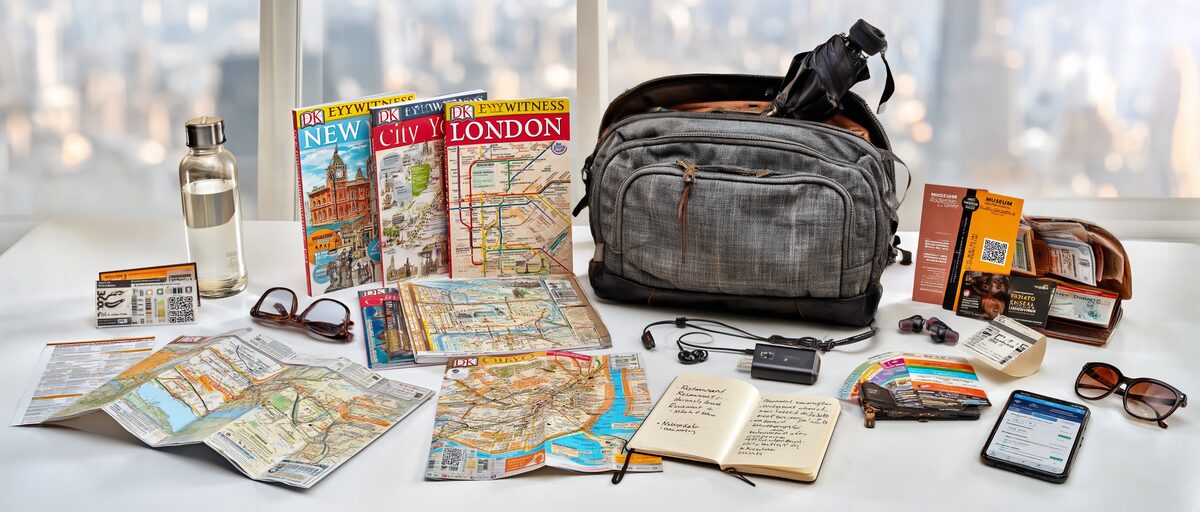
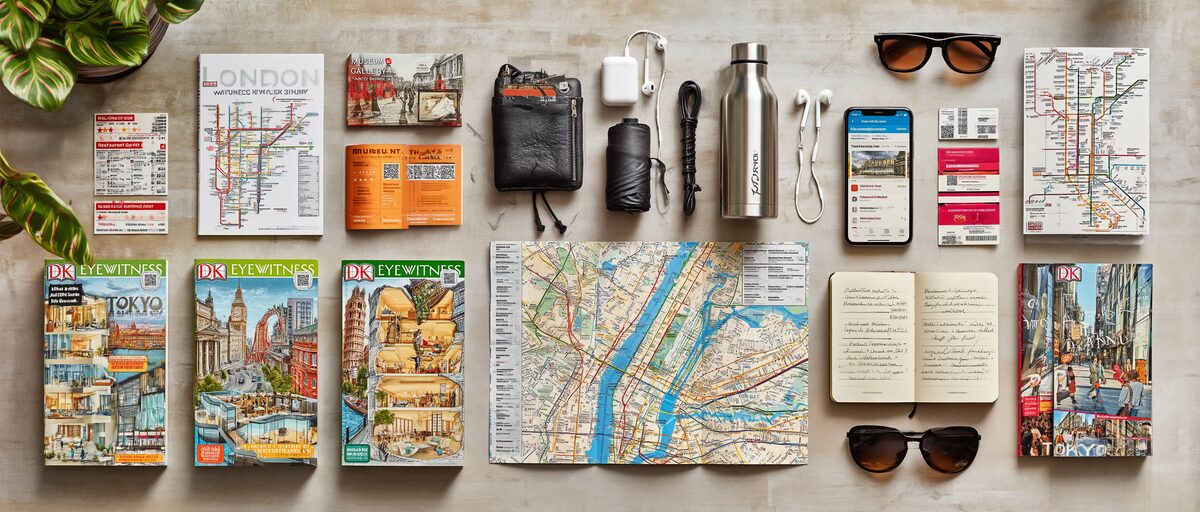
Rough Guides sit between Lonely Planet and more literary travel writing. They include the same practical information but with more cultural context, historical background, and opinionated commentary. If you want to understand a place rather than just navigate it, Rough Guides reward careful reading. DK Eyewitness guides take a visual approach — lavish illustrations, cutaway drawings of landmark buildings, annotated street maps, and photographic spreads. They are excellent for architecture, art, and visual learners, though they carry less practical logistics detail than Lonely Planet or Rough Guides.
Specialist and Niche Guides
Beyond the major series, specialist guides serve specific interests better than any general guidebook can. Cicerone publishes definitive walking and trekking guides with detailed route descriptions, maps, and elevation profiles. Bradt Guides cover off-the-beaten-path destinations that other publishers overlook entirely. Rick Steves guides are written specifically for North American visitors to Europe, with a focus on cultural immersion and efficient itineraries. For food-focused travel, guides from Eater, Time Out, and local publishers often provide restaurant recommendations that general guides cannot match.