
Choosing the Right Bike: A Practical Guide
The best bike is the one you will actually ride. Before worrying about components and frame materials, start with the fundamental question: what will you use it for?
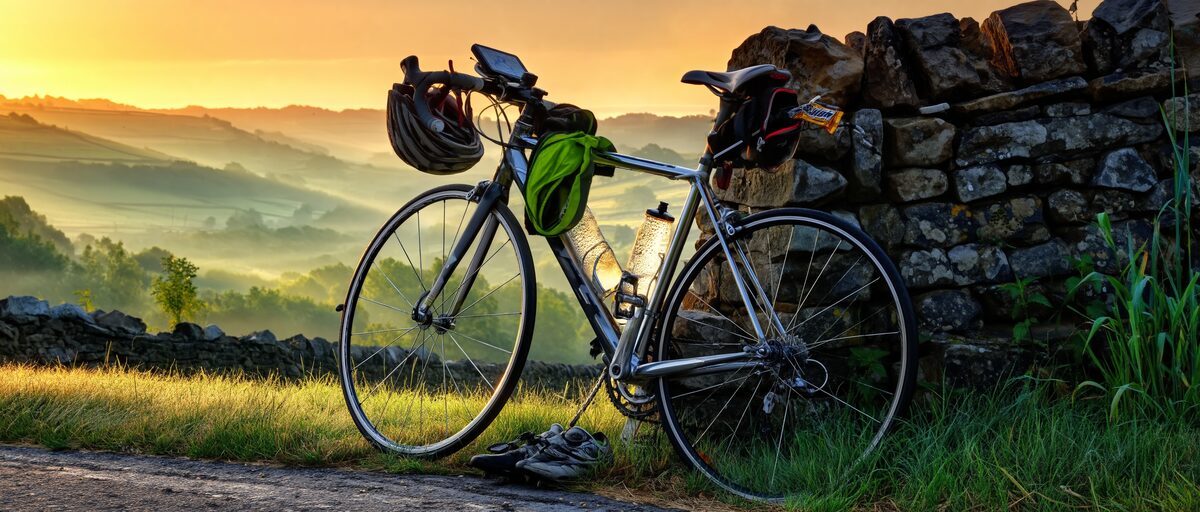
A road bike is built for speed on tarmac — drop handlebars, narrow tyres, and a forward-leaning position that is efficient but uncomfortable on anything other than smooth surfaces. A mountain bike handles rough trails, gravel, and mud with wide tyres, suspension, and flat handlebars, but it is slower and heavier on the road. For most people who want one bike that does a bit of everything — commuting, weekend rides, canal paths, and light trails — a hybrid is the sensible choice. It combines the upright comfort of a mountain bike with the lighter weight and narrower tyres of a road bike.
Frame Size Matters More Than Brand
A bike that does not fit properly is uncomfortable, inefficient, and potentially dangerous. Frame size is determined by your height and inside leg measurement. Most manufacturers provide a sizing chart — use it. When standing over the top tube, there should be a few centimetres of clearance. The saddle height should allow a very slight bend in the knee at the bottom of the pedal stroke. A bike that is too large forces you to stretch for the handlebars; too small and your knees ride too high.
Electric Bikes — Are They Worth It?
E-bikes use a battery-powered motor to assist your pedalling. They do not ride themselves — you still pedal, but the motor smooths out hills, headwinds, and longer distances. In the UK, legal e-bikes are limited to 15.5 mph of assisted speed and 250 watts of motor power. They are heavier than conventional bikes (typically 20–25 kg versus 10–15 kg for a road bike) and need regular charging, but for commuters facing hilly routes or long distances, an e-bike can make the difference between driving and cycling.