
Choosing a Pushchair: What Actually Matters
The pushchair market is vast, and marketing makes every model sound essential. In practice, the best pushchair is the one that fits your lifestyle, your car boot, and your daily routine — not the one with the most features.
Start by thinking about where you will use it most. If you drive everywhere and transfer between car and shops, a compact fold that fits your boot is the priority. If you walk on pavements and use public transport, a lightweight, narrow pushchair that fits through shop doors and onto buses matters more than all-terrain wheels. If you walk across parks and rough ground regularly, larger wheels and suspension become important.
Travel Systems versus Standalone Pushchairs
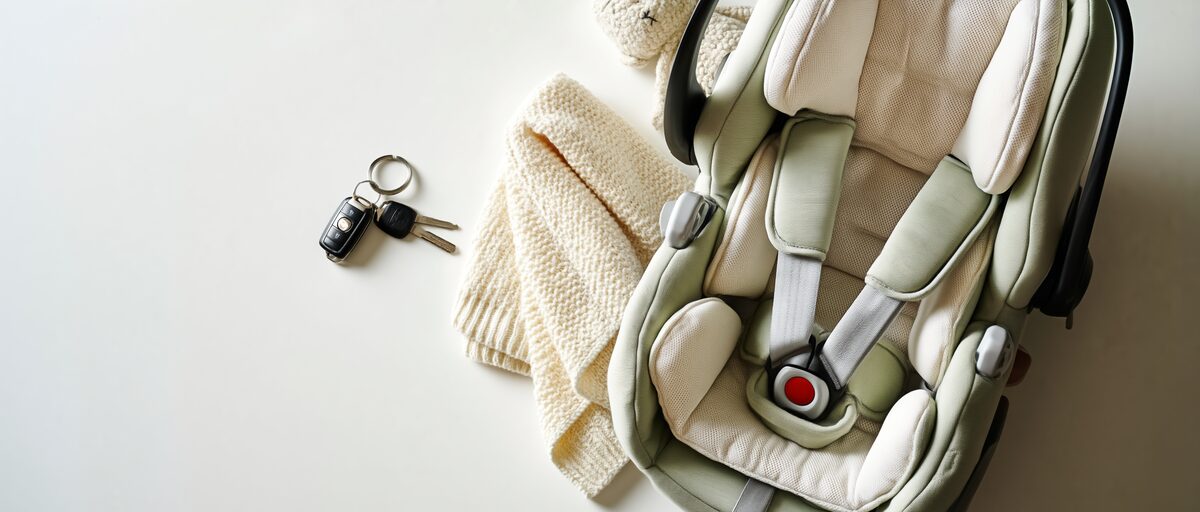
A travel system bundles a pushchair frame with a compatible infant car seat and sometimes a carrycot. The car seat clips onto the frame, so you can move a sleeping baby from car to pushchair without waking them. This is genuinely convenient for the first six to nine months. After that, most children outgrow the car seat and use the pushchair seat instead. If convenience in those early months is a priority, a travel system simplifies life. If budget is tight, a standalone pushchair that reclines flat from birth does the same job without the car seat adaptor.
The Fold Test
Before buying, watch a video of someone folding the pushchair — or try it in a shop. A fold that requires two hands, three steps, and a hard tug is fine in a showroom but frustrating when you are holding a baby in one arm and trying to collapse the pushchair with the other in a car park. The best folds are genuinely one-handed and the pushchair stands on its own when folded. Measure your car boot before buying and check the folded dimensions — not every pushchair fits every car.