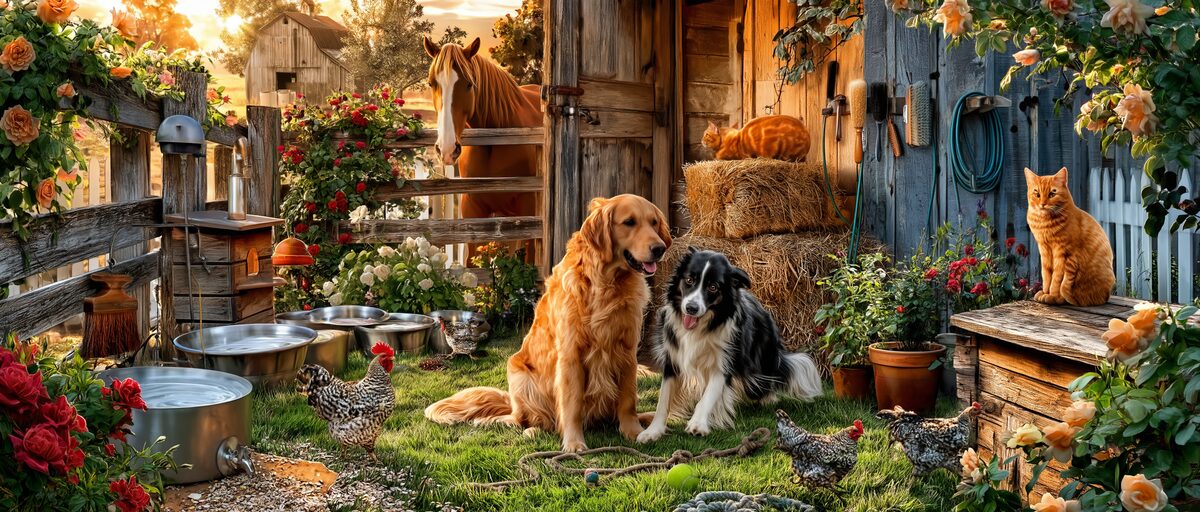


Understanding What Dogs Actually Need: Beyond the Basics
Most dog owners get the fundamentals right — regular meals, fresh water, daily walks, and a warm place to sleep. But dogs are more complex than their basic needs suggest, and the difference between a dog that is merely surviving and one that is genuinely thriving often comes down to mental stimulation, appropriate exercise, and understanding the breed's original purpose.
A working breed like a Border Collie or a Springer Spaniel was developed over centuries to perform demanding tasks for hours at a time. A twenty-minute walk around the block does not satisfy the mental drive that has been bred into these dogs. They need problem-solving activities — scatter feeding in long grass, snuffle mats that make them work for their food, training sessions that challenge their minds, and opportunities to use their noses in new environments. A tired dog is a content dog, but physical tiredness alone is not enough. Mental exhaustion from working through puzzles and practising skills produces the deep, satisfied sleep that prevents destructive behaviour and anxiety.
The Importance of Routine and Enrichment
Dogs are creatures of habit and find security in predictable routines. Regular meal times, consistent walk schedules, and established rules all contribute to a calm, confident dog. Within that routine, enrichment provides variety. Rotating toys so that familiar ones disappear and reappear as if new, introducing food-dispensing toys that require manipulation, and varying walking routes to provide fresh scents all keep a dog's mind engaged. Even simple changes like feeding a meal scattered across the garden instead of in a bowl can transform a five-second gulp into fifteen minutes of focused searching. These small adjustments cost nothing but make a significant difference to a dog's quality of life.